 M
Medeor Therapeutics
Cellular immunotherapy reducing immunosuppressants in organ transplants
About Medeor Therapeutics
Medeor Therapeutics is a clinical-stage biotechnology company focused on developing cellular immunotherapies for organ transplant recipients. The company was co-founded in 2012, initially as SERC Therapeutics, by Stanford University School of Medicine professors Dr. Samuel Strober, Dr. Edgar Engleman, Dr. Robert Lowsky, and entrepreneur Chih Ping Liu. The founders have collaborated for over three decades on translating scientific research into clinical applications to achieve immune tolerance for organ and hematopoietic cell transplant patients, aiming to remove the lifelong dependency on immunosuppressive drugs. The company’s technology is based on research that originated at Stanford University over 20 years ago.
Medeor's core business revolves around its proprietary MDR-10X cell therapy platform, which is designed to induce mixed chimerism—the coexistence of the recipient's and donor's blood and immune cells. This process helps the recipient's body tolerate the new organ, potentially eliminating the need for anti-rejection medications that can have severe side effects. The company’s primary product candidate, MDR-101, is a single-dose cell therapy for patients receiving a kidney from a genetically matched living donor. In a Phase 3 clinical trial, MDR-101 allowed a majority of participants to stop taking immunosuppressant drugs for at least two years post-transplant. The business model is centered on the discovery, development, and commercialization of these personalized cellular therapies. The company operates in the biotechnology and life sciences market, serving organ transplant recipients. Medeor Therapeutics is a privately held, venture capital-backed company that has received funding from investors such as RA Capital Management, Sofinnova Investments, and a grant from the California Institute for Regenerative Medicine (CIRM).
The company's main service is providing this one-time cell therapy treatment. The process for MDR-101 involves collecting peripheral blood stem cells from the organ donor before the transplant. Following the organ transfer, the recipient undergoes radiotherapy to suppress their immune system and then receives an infusion of the donor's stem cells. These donor cells grow in the recipient's bone marrow and integrate into their immune system, establishing immune tolerance to the new organ. This approach aims to prevent graft rejection, preserve organ function, and improve the patient's quality of life by avoiding the toxicity associated with long-term immunosuppression. Medeor also has other product candidates in its pipeline to address different transplant scenarios, including for mismatched donors and for patients who previously received a transplant.
Source: Dealroom company data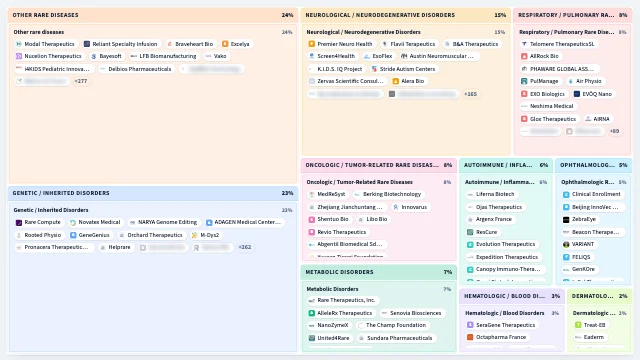


News
Open roles
Medeor Therapeutics in the South San Francisco ecosystem
The Medeor Therapeutics office with the hot startups, most funded companies and investors around it. Hover or tap a pin.
Dealroom maps whole ecosystems like this one for cities, regions and governments. See the ecosystem platform →
Investors
From Dealroom's funding and investor records, grouped by the round each investor first entered.
Series A5 investors entered at this stage
 RA Capital Management
 Vivo Capital
 Sofinnova Investments
 WuXi Healthcare Ventures
 6 Dimensions Capital
Source: Dealroom Talent Intelligence.
Global footprint
Market sentiment
An AI-synthesised read of the highest-engagement posts about Medeor Therapeutics on X, ranked by likes and reposts, corporate channels excluded.
Reading the room on X — pulling top posts and synthesizing themes…
Source: X recent search ranked by engagement (likes + retweets) · Synthesis by Claude · Cached for 1 hour
See Medeor Therapeutics on the full Dealroom platform
Live deal flow, founder pedigree, hiring signals, revenue trajectory, and the full cap table.