 I
Inspyr Therapeutics
Development stage oncology co focusing on therapeutics that deliver a cancer-destroying drug directly to the tumor
About Inspyr Therapeutics
Inspyr Therapeutics, Inc., formerly known as Genspera, was a clinical-stage pharmaceutical company established in 2003 with a focus on developing targeted prodrug cancer therapeutics. The company was co-founded by Craig Dionne, John T. Isaacs, and Samuel R. Denmeade. The scientific foundation of the company stemmed from the research of John T. Isaacs at The Johns Hopkins School of Medicine, who discovered that the compound thapsigargin could effectively destroy slow-growing tumors by disrupting intracellular calcium levels. This led to a collaboration with Soren Christensen at the University of Copenhagen, who had first isolated thapsigargin from the Mediterranean plant Thapsia garganica. Together, they developed a technology to mask the toxin's cell-killing effects until it reached a tumor site, forming the basis of the company's prodrug platform.
Inspyr's business was centered on its proprietary delivery technology, which rendered a powerful cytotoxin inactive until it encountered a specific enzyme target at the tumor site. This approach aimed to deliver the therapeutic agent directly to the cancer or its supporting blood vessels, potentially minimizing the side effects associated with conventional chemotherapy. The company's lead drug candidate was Mipsagargin (also known as G-202), a prodrug designed to be activated by prostate-specific membrane antigen (PSMA), an enzyme found at high levels on the blood vessels of various solid tumors, including liver, glioblastoma, prostate, and kidney cancers. Mipsagargin advanced to Phase II clinical trials for several indications, including hepatocellular carcinoma (liver cancer), for which it received Orphan Drug designation from the FDA, glioblastoma, and prostate cancer.
The company operated as a publicly-traded entity on the OTC markets. In 2017, Inspyr Therapeutics merged with Lewis and Clark Pharmaceuticals in an all-stock transaction, acquiring a new technology platform based on adenosine chemistry and biology, as well as laboratory facilities. This expanded its pipeline to include adenosine receptor antagonists for applications in immuno-oncology and inflammation. Despite securing funding agreements, including a notable deal with Milost Global for up to $100 million in 2017, the company faced financial challenges. In October 2021, Inspyr underwent a significant corporate restructuring, including a 1-for-75 reverse stock split and the creation of a new holding company, Rebus Holdings, Inc., which replaced Inspyr as the publicly traded entity under the ticker RBSH. This move was part of a strategy to reacquire rights to its adenosine assets and streamline operations. However, development of Mipsagargin was ultimately discontinued for its key indications by the end of 2021.
Source: Dealroom company data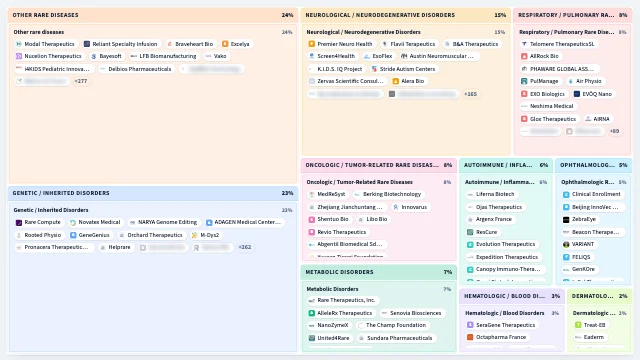
News
Open roles
Inspyr Therapeutics in the San Antonio ecosystem
The Inspyr Therapeutics office with the hot startups, most funded companies and investors around it. Hover or tap a pin.
Dealroom maps whole ecosystems like this one for cities, regions and governments. See the ecosystem platform →
Source: Dealroom Talent Intelligence.
Global footprint
Market sentiment
An AI-synthesised read of the highest-engagement posts about Inspyr Therapeutics on X, ranked by likes and reposts, corporate channels excluded.
Reading the room on X — pulling top posts and synthesizing themes…
Source: X recent search ranked by engagement (likes + retweets) · Synthesis by Claude · Cached for 1 hour
See Inspyr Therapeutics on the full Dealroom platform
Live deal flow, founder pedigree, hiring signals, revenue trajectory, and the full cap table.